
⚠️ EXTREME ELECTRICAL HAZARD WARNING: Working with electricity can cause severe injury or death. NEVER attempt complex electrical repairs yourself unless you are a qualified and certified electrician. The information in this guide suggests only the safest, most basic troubleshooting steps that do not involve opening electrical panels, switches, or working directly with live wires. If you are unsure, if a problem persists, or if you suspect a serious electrical fault, turn off the power at your consumer unit (fuse box) and call a qualified electrician immediately.
1. Socket or Outlets Not Working
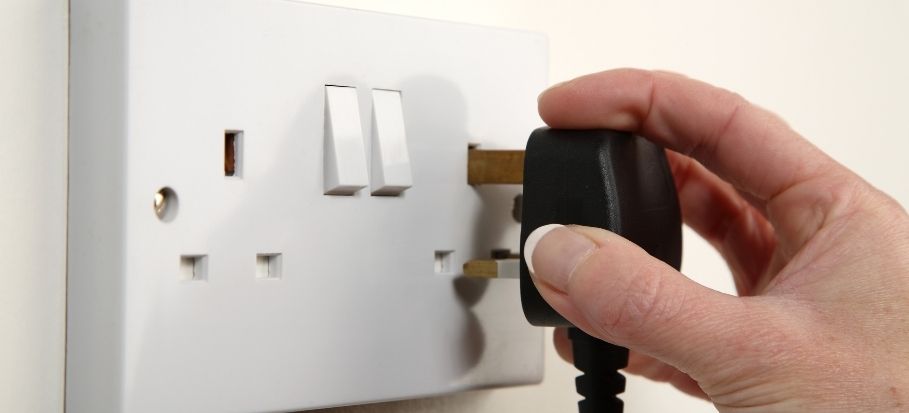
You plug an appliance into an outlet (socket), and it doesn’t receive power, even though other outlets or lights in the house might be working.
Tripped Circuit Breaker or Blown Fuse: The most common cause. The circuit serving that outlet (or a group of outlets) has been overloaded or experienced a fault, causing the protective device to trip.
Faulty Outlet Itself: The outlet could be worn out, damaged, or have loose internal wiring.
Loose Wiring: Connections behind the outlet or at a junction box, or even further back in the circuit, may have come loose.
GFCI/RCD Tripped (if applicable): If it’s a bathroom, kitchen, or outdoor outlet, it might be on an RCD (Residual Current Device) circuit breaker or a local GFCI (Ground Fault Circuit Interrupter) outlet which has tripped.
Open Circuit: A break in the wiring anywhere along that circuit.
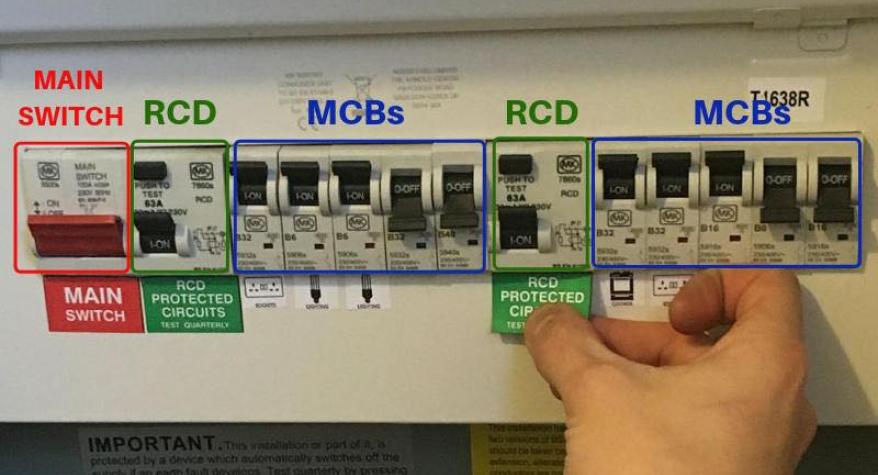
Check the Circuit Breaker: Go to your consumer unit (fuse box). Look for any tripped circuit breakers (they’ll often be in the ‘off’ or middle position). Flip it firmly to ‘off’ and then back to ‘on’. If you have old-style fuses, check for a blown fuse and replace it if you know how (and have spares).
Check for RCDs/GFCI Outlets: If the affected outlet is in a wet area, look for a “TEST” and “RESET” button on the outlet itself. Press “RESET” firmly.
Test Other Outlets: Check if other outlets on the same circuit are also not working. This helps confirm if it’s an isolated outlet problem or a circuit problem.
Unplug Appliances: If the circuit breaker tripped, unplug all appliances from the affected outlets before resetting the breaker. Then, plug them back in one by one to identify if a specific appliance is causing the trip.
If the circuit breaker immediately trips again after resetting.
If only one outlet isn’t working, but the breaker isn’t tripped.
If you can’t locate the tripped breaker or feel uncomfortable checking it.
If you suspect a loose wire or a faulty outlet itself.
2. Burning Smell from Electrical Outlets/Appliances
A distinct odour of burning plastic, rubber, or a smoky smell coming from an electrical outlet, switch, appliance, or near your consumer unit. This is a very serious warning sign.
Overheating Wires: Too much current flowing through wires that are too small, or a loose connection creating resistance and heat.
Faulty/Damaged Appliance: An internal fault in an appliance plugged into the outlet.
Damaged Outlet/Switch: Internal damage, loose connections, or a short circuit within the outlet or switch.
Arcing/Short Circuit: Electricity “jumping” between connections or a direct fault, causing extreme heat.
Overloaded Circuit: Similar to lights dimming, but more severe, leading to components overheating.
IMMEDIATELY Turn Off Power: If the smell is coming from an appliance, unplug it immediately. If it’s from an outlet or switch, go to your consumer unit (fuse box) and turn off the main power switch for your entire home.
Locate the Source (Safely): Once power is off, cautiously try to identify exactly where the smell is coming from (outlet, appliance, specific area of wall). Do not touch any burnt or discoloured components.
Do NOT Reset Breakers: If a breaker has tripped, do not try to reset it, especially if there was a burning smell.
IMMEDIATELY. Any burning smell associated with electricity is a fire hazard and requires urgent professional attention from a qualified electrician. Do not use the affected circuit or appliance again until it has been inspected and repaired.
3. Buzzing Noises from Outlets/Panels
A persistent buzzing, humming, or crackling sound coming from an electrical outlet, light switch, appliance, or your main consumer unit.
Loose Wiring/Connections: The most common cause. A loose connection can cause arcing or vibration, leading to the buzzing sound. This creates heat and is a fire hazard.
Overloaded Circuit: Too much current drawing through a circuit can cause components to hum or buzz due to strain.
Faulty Component: A failing breaker, switch, or component within an appliance or outlet.
Poor Quality Components: Cheaply made outlets or switches may buzz.
Unplug Appliances: If the buzzing is from an outlet, unplug everything plugged into it. If the buzzing stops, the appliance was the cause.
Turn Off Circuit: If the buzzing persists or is from the consumer unit, go to your consumer unit and turn off the circuit breaker for that area or the main power switch if you’re unsure.
Do NOT Ignore: A buzzing sound is a serious warning sign.
Immediately. Buzzing or crackling sounds almost always indicate a loose connection, arcing, or an overloaded circuit, which are significant fire risks. A qualified electrician needs to inspect this urgently.
4. Electric Shocks from Appliances/Switches
Feeling a tingling sensation, a mild shock, or a more significant jolt when touching an appliance, light switch, or outlet.
Faulty Appliance: Internal wiring fault in the appliance causing it to become “live.”
Faulty Wiring/Grounding: Damaged insulation on wires, faulty grounding (earthing) in the outlet or wiring, or a break in the protective earth path.
Moisture: Water or dampness near electrical components can conduct electricity.
Old/Damaged Switches/Outlets: Internal faults in the switch or outlet itself.
RCD/RCBO Not Functioning: If an RCD (Residual Current Device) or RCBO (Residual Current Breaker with Overcurrent protection) should have tripped but hasn’t, it indicates a serious problem with the device or the fault.
IMMEDIATELY Stop Using: Do not touch the appliance or switch again.
Unplug Affected Appliance (if safe to do so): If the shock was from an appliance, unplug it.
Turn Off Power to the Circuit: Go to your consumer unit and turn off the circuit breaker that supplies power to that outlet or switch. If you’re unsure, turn off the main power switch for the entire home.
Any electrical shock, even a minor one, is a serious indication of a dangerous fault in your electrical system or an appliance. Do not use the affected electrical point or appliance again until it has been professionally inspected and repaired by a qualified electrician.
5. General Electrical Safety Tips
These are tips homeowners should always follow to prevent electrical accidents.
Unless you are a fully qualified and certified electrician, do not attempt to install, repair, or modify your home’s wiring, outlets, switches, or electrical panel. It’s illegal and extremely dangerous.
Know where it is and how to turn off the main power switch in an emergency. Ideally, label your circuits so you know what each breaker controls.
Avoid using too many high-power appliances on a single extension lead or outlet. If you need more outlets, have a qualified electrician install new ones.
Ensure your home’s electrical system has modern RCD (Residual Current Device) or RCBO (Residual Current Breaker with Overcurrent protection) protection. These devices quickly cut power if a fault is detected, potentially saving lives.
Keep electrical appliances away from water sources. Never touch electrical devices with wet hands.
Regularly check appliance cords for fraying, cracks, or damage. Replace damaged cords immediately. Ensure plugs fit snugly into outlets.
Burning smells, buzzing sounds, discoloured outlets, flickering lights, or frequent tripping circuit breakers are all serious warnings. Investigate immediately or call a professional.
Periodically do a visual check of your outlets, switches, and cords. For comprehensive safety, have an Electrical Installation Condition Report (EICR) conducted by a qualified electrician periodically (e.g., every 3-10 years for homeowners, or as required for landlords).
When in doubt, always turn off the power and call a qualified electrician from FE Maintenance for peace of mind. Your safety is paramount.