If your Main boiler display is showing an “E” code, it’s indicating a specific issue within the system. While some minor problems might have simple solutions you can safely check, many Main boiler error codes point to internal faults that require the expertise of a Gas Safe registered engineer.
⚠️ IMPORTANT SAFETY WARNING: Working with gas appliances can be extremely dangerous and should ONLY be undertaken by a qualified, Gas Safe registered engineer. The information below is for general guidance. NEVER attempt to open your boiler or perform complex repairs yourself. If you smell gas, suspect a leak, or are unsure, turn off your gas supply and call a Gas Safe engineer immediately.
Common Main Heating Boiler Fault Codes:
Here are some of the most frequently encountered Main Heating boiler error codes:
1. E119 – Low Water Pressure
This is a very common fault code indicating that your boiler’s primary water pressure is too low (less than 0.5 bar). The boiler will typically lock out for safety.
Water loss from the heating system (e.g., small leak in pipework, radiators, or boiler).
Pressure naturally dropping over time.
Recently bled radiators.
Faulty water pressure switch.
Check the pressure gauge on your Main boiler; it should typically be between 1 and 1.5 bar (when cold).
If low, you can often re-pressurise the system using the external or internal filling loop, following your Main boiler’s specific manual instructions carefully.
If you repressurise the boiler and the E119 code returns frequently, it suggests a leak in the system or a faulty component like the pressure switch. This requires professional investigation.
2. E133 – Gas Supply Interrupted / Ignition Failure / Flame Not Detected
This code indicates that the boiler attempted to ignite but failed to detect a flame, or the gas supply was interrupted.
No gas supply (e.g., gas meter valve closed, low gas pressure, pre-payment meter out of credit).
Frozen condensate pipe (especially in cold weather).
Faulty ignition electrode or lead.
Faulty gas valve.
Air in the gas supply.
- Ensure your main gas supply is on and other gas appliances (like your hob) are working.
- If you have a pre-payment meter, check your credit.
- Check for a frozen condensate pipe outside your property (a white/grey plastic pipe, often near a drain). If frozen, you may be able to gently thaw it with warm (not boiling) water, then reset the boiler.
You can try resetting the boiler (turn the selector switch to the reset position and hold for at least 5 seconds).
If basic checks don’t resolve the E133 code, it indicates a problem with the gas supply, ignition, or internal components. This is a safety-critical fault that requires a Gas Safe registered engineer.
3. E110 – Overheat of Primary Water or Flue System
The boiler has detected that its internal temperature (primary water) or flue temperature has exceeded a safe limit and has shut down as a safety measure.
Poor water circulation (e.g., faulty pump, blockages, air in the system).
Blocked heat exchanger (limescale or sludge).
Faulty safety thermostat.
Closed radiator valves or system blockages
Ensure all radiator valves are fully open.
Check that the system pressure is adequate (1-1.5 bar).
You can try resetting the boiler (turn the selector switch to the reset position and hold for at least 5 seconds).
An E110 fault is serious and requires immediate professional attention. Do not attempt to reset or restart the boiler repeatedly without professional diagnosis. A Gas Safe engineer will need to identify the cause of the overheating.
4. E160 – Fan Fault or Fan Wiring Fault
This code indicates an issue with the boiler’s fan, which is crucial for expelling combustion gases and drawing in fresh air.
Faulty or seized fan motor.
Blockage in the flue or air intake.
Wiring issues to the fan.
Problem with the fan’s control or the main PCB.
Visually inspect the flue terminal outside your property for any obvious obstructions (e.g., bird’s nest, debris).
An E160 fault is a safety-critical issue related to flue gases. Do not attempt to fix this yourself. A Gas Safe registered engineer must diagnose and repair the fan or related components.
5. E20 / E28 / E50 – Faulty Components / Sensor Faults
These codes often indicate a problem with specific sensors or internal components within the boiler.
E20: Central Heating NTC (temperature sensor) fault.
E28: Flue NTC (temperature sensor) fault or PCB (Printed Circuit Board) fault.
E50: Hot Water NTC (temperature sensor) fault.
Faulty temperature sensors (NTC thermistors).
Wiring issues to the sensors (loose or damaged connections).
Faulty PCB.
There are no safe user checks for these specific faults. Resetting the boiler may temporarily clear the code if it was a minor glitch, but it will likely return if there’s a genuine component fault.
These codes usually point to a component failure that requires professional diagnosis and replacement by a Gas Safe registered engineer.
6. E168 – Generic Fault / External Issue
- This is a more general fault code. It could mean your boiler has detected a problem but can’t pinpoint the exact issue, or it might be triggered by an external factor like an electrical supply fault or if the boiler was reset after developing another fault.
Temporary electrical supply issue.
A previous, unidentified fault that caused the boiler to lock out.
Less commonly, an internal PCB or component fault.
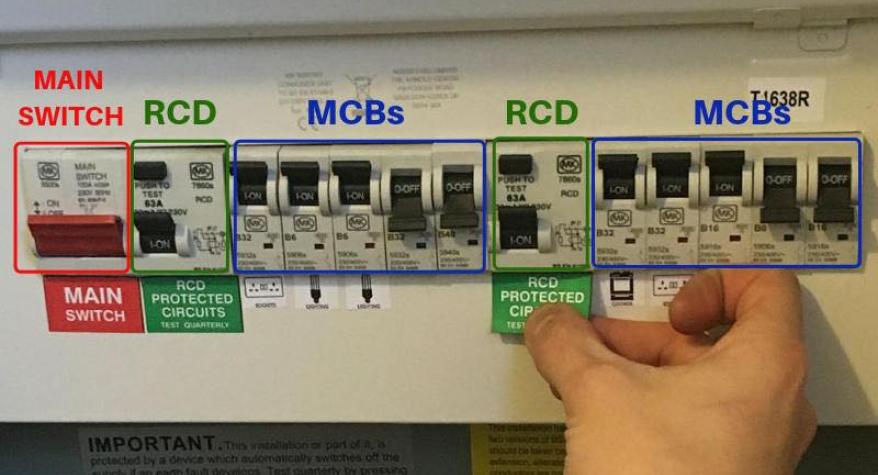
Check your home’s fuse box or consumer unit for tripped breakers.
You can try resetting the boiler once.
If the E168 fault persists or recurs, it indicates an underlying problem that needs professional investigation to determine the root cause.